604.506.5068
From Automation to Operating Model: AI’s Measurable Impact on Enterprise Management
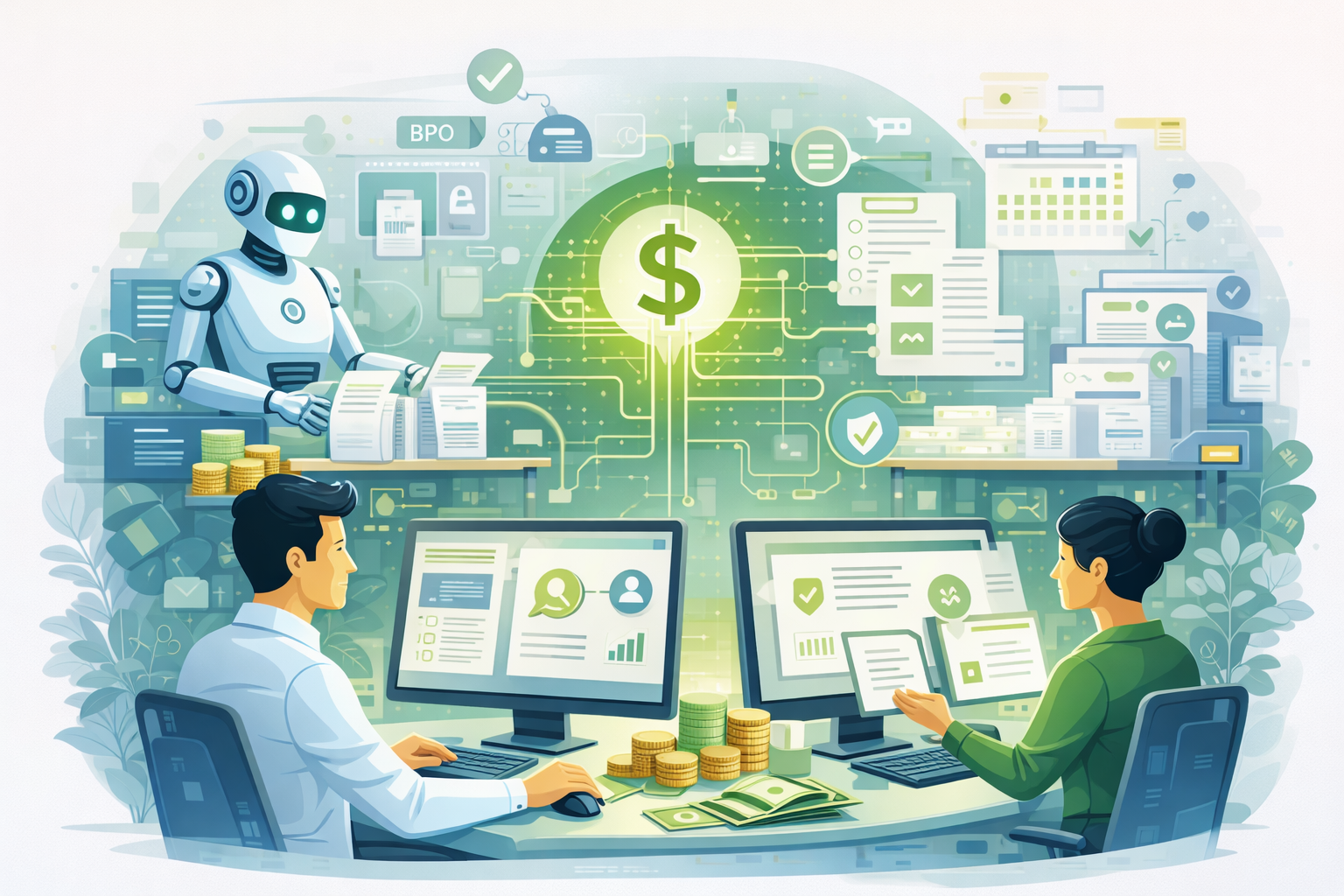
Artificial Intelligence is no longer simply a productivity tool. It is becoming a foundational operating layer within modern enterprises, reshaping how organizations manage workflows, make decisions, and scale operations.
The structural shift underway
Management once depended on human coordination to move information, interpret data, and execute decisions. AI now embeds intelligence directly into workflows, enabling systems to interpret inputs, generate outputs, and continuously improve performance.
The data confirms measurable impact
Economic value
McKinsey estimates generative AI could generate between $2.6T and $4.4T annually across enterprise functions.
Customer support productivity
NBER research shows AI-assisted agents increased productivity by ~14% while improving quality.
Complex task execution
A Science study found professionals completed writing tasks ~40% faster with higher quality using AI.
How AI is changing decision-making
Traditional management relies on periodic reporting cycles and delayed interpretation of historical data. AI enables continuous decision systems that analyze real-time inputs, detect patterns, and support faster, more consistent decisions.
The AI Decision Stack
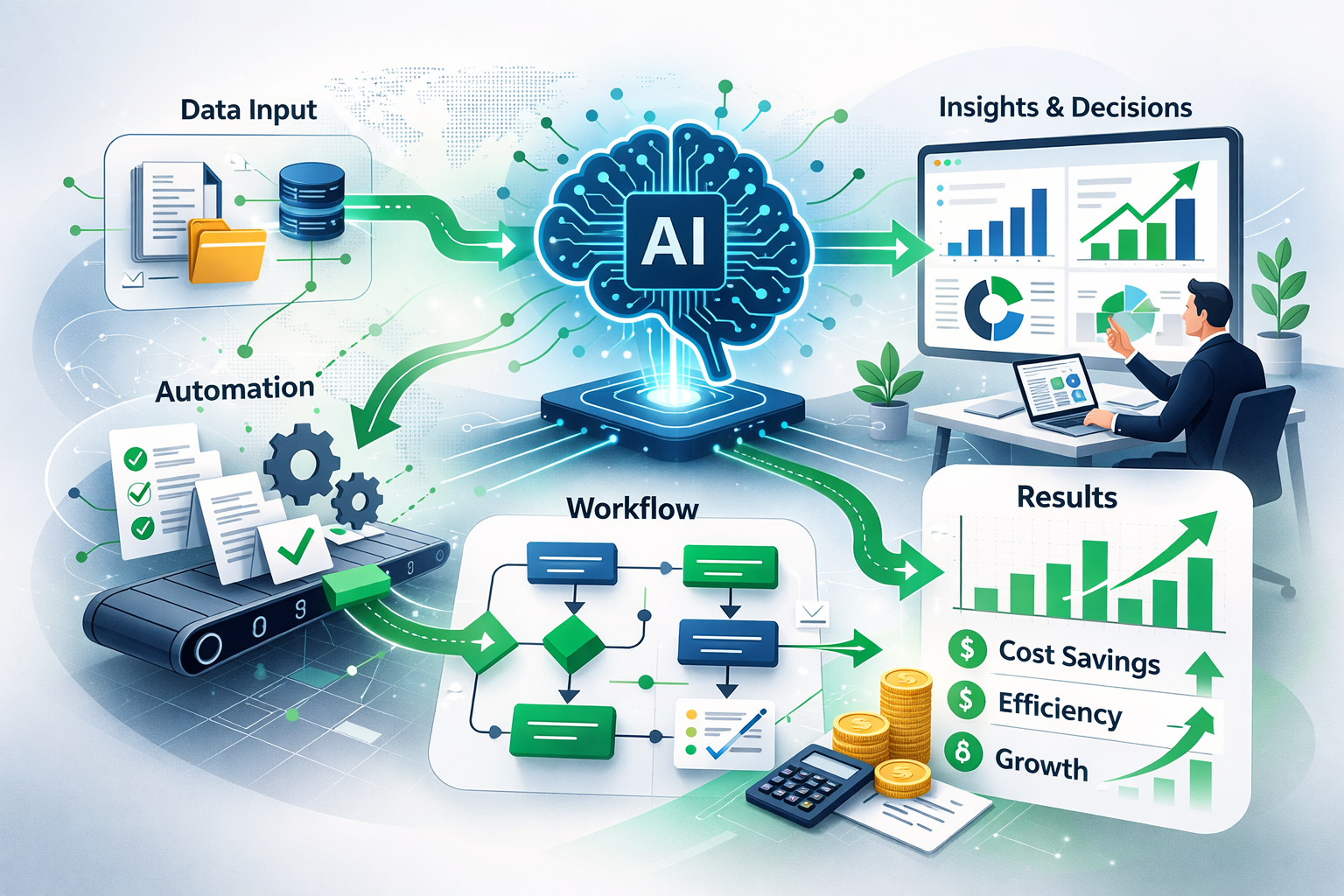
Sensing (data capture) → Reasoning (classification & prediction) → Action (workflow execution) → Learning (continuous improvement).
Where enterprise ROI is most reliable
Document processing
Classification, extraction, routing, and audit trails in high-volume workflows.
Finance & procurement
AP/AR automation, anomaly detection, policy enforcement, streamlined approvals.
Customer operations
Ticket routing, interaction summaries, structured escalation with guardrails.
How to make AI ROI visible
- External spend reduction (vendors, agencies, contractors)
- Cycle time (task start to completion)
- Error & rework rate
- Touches per task (human handoffs required)
A practical implementation roadmap
Step 1: Select a repeatable workflow
- High volume
- Clear inputs & outputs
- Measurable impact
Step 2: Standardize structure
- Define data requirements
- Clarify exceptions
- Establish performance metrics
Step 3: Embed AI into workflows
- Integrate directly into existing systems
- Avoid parallel manual processes
- Ensure adoption
Step 4: Monitor & optimize
- Compare baseline vs post-implementation
- Capture feedback
- Continuously refine models
Ready to transform AI into operational infrastructure?
We help organizations redesign workflows, embed intelligence into operations, and build measurable, scalable AI operating models.