
 604.506.5068
AI
The Impact of Artificial Intelligence on Small Business Logistics

Continue reading "The Impact of Artificial Intelligence on Small Business Logistics"
The digital transformation has completely reshaped how small and medium-sized enterprises (SMEs) operate—especially in the logistics sector.
Thanks to advancements in artificial intelligence (AI), SMEs can now not only streamline their delivery processes but also boost efficiency and enhance customer satisfaction.
In this article, we explore how AI is revolutionizing logistics for SMEs and how small businesses can take advantage of these technologies to improve their operations.

Automating Repetitive Tasks
One of the most immediate benefits of AI in logistics is the automation of routine, time-consuming tasks. Using advanced algorithms, AI can efficiently manage processes such as route planning, inventory tracking, and warehouse management.
By reducing manual workloads and the potential for human error, SMEs can optimize their time and resources, leading to significantly improved productivity and cost savings.
Route and Transportation Optimization
AI also empowers SMEs to enhance delivery and transportation routes. By analyzing historical data, traffic patterns, and weather conditions, AI algorithms can calculate the most efficient and timely delivery paths.
This not only shortens delivery times but also lowers transportation costs. In addition, real-time shipment tracking enabled by AI improves supply chain visibility and product traceability, offering both the company and its customers greater peace of mind.
Demand Forecasting
Another critical advantage AI brings to SMEs is the ability to predict future demand. By analyzing historical sales data and current market trends, AI tools can identify buying patterns and anticipate demand spikes or slowdowns.
With these insights, businesses can maintain optimal inventory levels, avoid stockouts or overstocking, and ensure product availability when demand rises—all of which contribute to better planning and resource management.
Enhancing Customer Service
AI also plays a pivotal role in improving customer service in logistics. AI-powered chatbots and virtual assistants can provide instant, accurate responses to customer inquiries—whether it’s about order status, estimated delivery times, or resolving delivery issues.
This level of responsiveness leads to higher customer satisfaction and builds trust in the brand, giving SMEs a competitive edge in customer experience.
Fleet Management and Predictive Maintenance
For SMEs operating vehicle fleets, AI adds even more value. AI algorithms can analyze data related to vehicle performance and conditions to predict potential issues before they become major problems.
This predictive maintenance approach helps businesses plan servicing schedules more effectively, reducing unexpected downtime and lowering maintenance costs.
Conclusion
Artificial intelligence is transforming the logistics landscape for SMEs, offering powerful tools to streamline operations, improve efficiency, and elevate the customer experience.
In a rapidly evolving digital marketplace, adopting AI-driven solutions is no longer optional—it’s essential for staying competitive, overcoming future challenges, and seizing new growth opportunities.
Want to learn more about how AI can help your business thrive?
Follow our blog at onlinemarketingwsi.com for insights, updates, and strategies that empower small businesses in the digital age.
About the Author
The Best Digital Marketing Insight and Advice
The WSI Digital Marketing Blog is your go-to-place to get tips, tricks and best practices on all things digital
marketing related. Check out our latest posts.
We are committed to protecting your privacy. For more info, please review our Privacy and Cookie Policies. You may unsubscribe at any time.
Don't stop the learning now!
From Automation to Operating Model: AI’s Measurable Impact on Enterprise Management
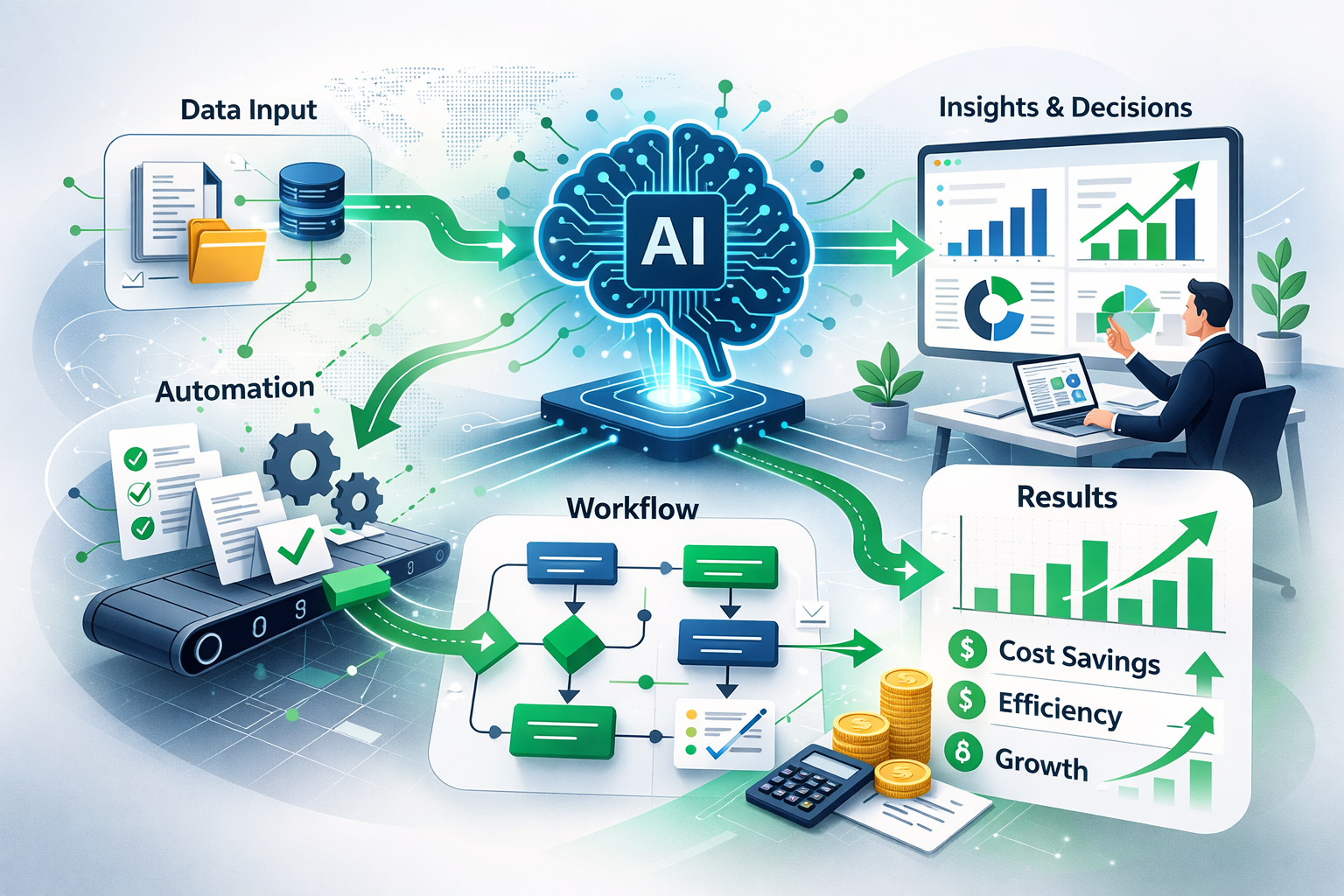
Enterprise AI Series From Automation to Operating Model: AI’s Measurable Impact on Enterprise Management Artificial Intelligence is no longer simply a productivity tool. It is becoming a foundational operating layer within modern enterprises, reshaping how organizations manage workflows, make decisions, and scale operations. The structural shift underway Management once depended on human coordination to move …
READ MORE
Where the Real GenAI ROI Lives
Series Post #5 Where the Real GenAI ROI Lives: Back Office Wins (and a 30-Day Roadmap) The report notes that budgets often favor visible front-office functions, but some of the most dramatic payback appears in back-office automation—especially reductions in external spend. Why back office is underrated Outcomes like faster month-end, fewer compliance issues, or smoother …
Continue reading “Where the Real GenAI ROI Lives”
READ MORE
Build vs Buy: Why Partnerships Win (and What Executives Actually Want)
Series Post #4 Build vs Buy in GenAI: Why Strategic Partnerships Win The report highlights a consistent pattern: externally partnered implementations succeed more often than internal builds—and adoption tends to be higher. The shift happening now Top buyers are starting to treat GenAI vendors like business service providers (BPO/consulting-like accountability), not like standard SaaS tools. …
Continue reading “Build vs Buy: Why Partnerships Win (and What Executives Actually Want)”
READ MORE